Urbangrid Developers
URBANGRIDDevelopers
Complete Guide

Materials Required for Construction of a House

Materials used in the construction of buildings are referred to as building materials. They can be categorized into natural materials (wood, stone, mud, clay), artificial materials (bricks, cement, glass, steel), and composite materials (concrete, plywood). Here is a comprehensive guide to all the essential materials you need.

01

Cement

Cement

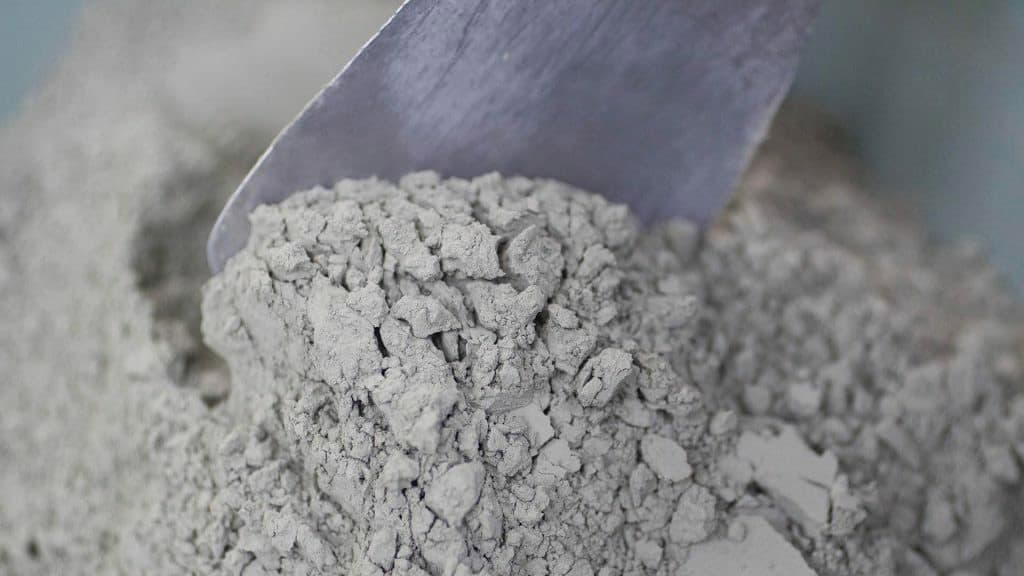
Cement is a fine, soft, powdery substance that is an essential component in construction. It functions as a binder, helping to hold building materials together, and is generally used to make concrete and mortar. Ordinary Portland Cement (OPC) is the most commonly used type in building projects.

Composition

  • Lime (CaO)
  • Silica (SiO2)
  • Alumina (Al2O3)
  • Iron oxide (Fe2O3)

Types

  • Ordinary Portland Cement (OPC)
  • Portland Pozzolana Cement (PPC)
  • Rapid Hardening Cement
  • Sulphate Resistant Cement
  • White Cement

Uses & Applications

  • Concrete production for foundations, beams, columns, and slabs
  • Plastering and finishing for smooth wall and ceiling surfaces
  • Masonry work in brick or block wall construction
  • Grouting for filling gaps and voids
02

Concrete

Concrete

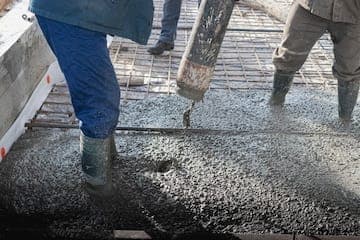
Concrete is a composite material made largely of cement, water, and aggregates such as sand, gravel, or crushed stone. It is one of the world's most used building materials due to its adaptability, durability, and strength. It hardens into an extremely durable substance that forms the backbone of modern construction.

Composition

  • Cement
  • Water
  • Fine Aggregates (Sand)
  • Coarse Aggregates (Gravel / Crushed Stone)

Types

  • Plain Concrete
  • Reinforced Cement Concrete (RCC)
  • Precast Concrete
  • High-Strength Concrete
  • Lightweight Concrete
  • Self-Compacting Concrete
  • Shotcrete
03

Steel

Steel

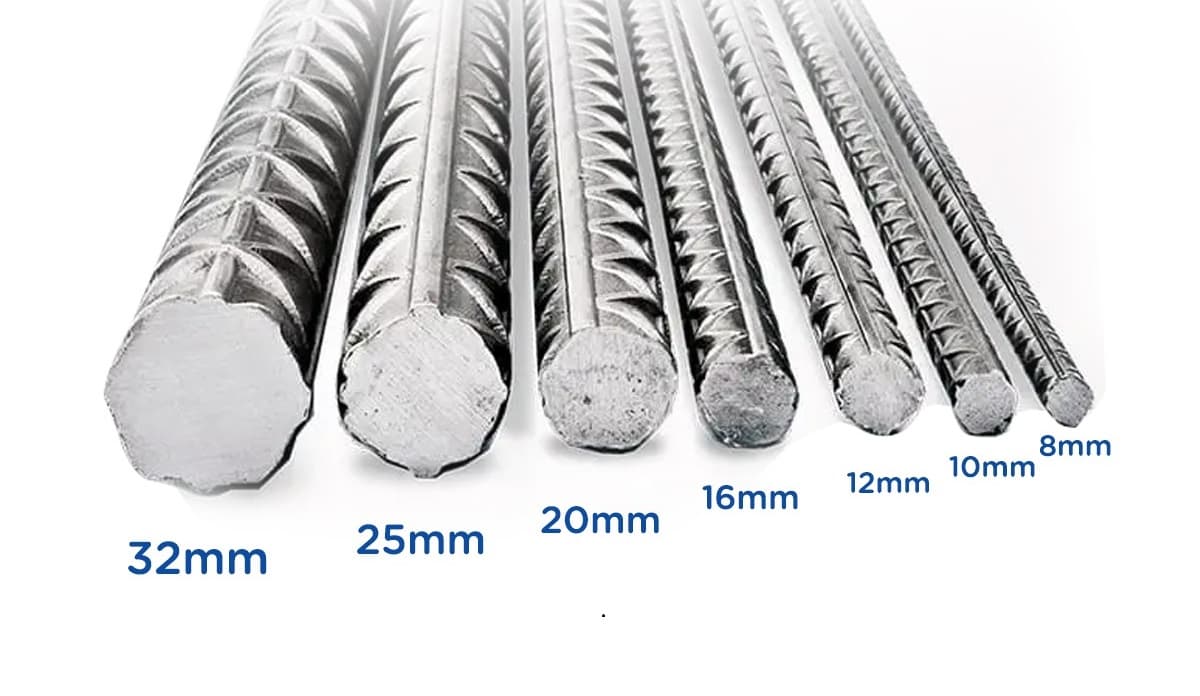
Steel is a highly adaptable and durable alloy composed mostly of iron and carbon, with additional elements such as manganese, chromium, nickel, and vanadium frequently added to enhance certain qualities. Its high strength, ductility, and recyclability make it essential in modern buildings for reinforcement in concrete structures.

Composition

  • Iron (Fe)
  • Carbon (C)

Types

  • Carbon Steel
  • Alloy Steel
  • Structural Steel
  • Specialty Steels

Uses & Applications

  • Reinforcement in concrete structures (TMT bars)
  • Structural frameworks, beams, and columns
  • Roofing trusses and supports
  • Door and window frames
04

Bricks & Concrete Blocks

Bricks & Concrete Blocks

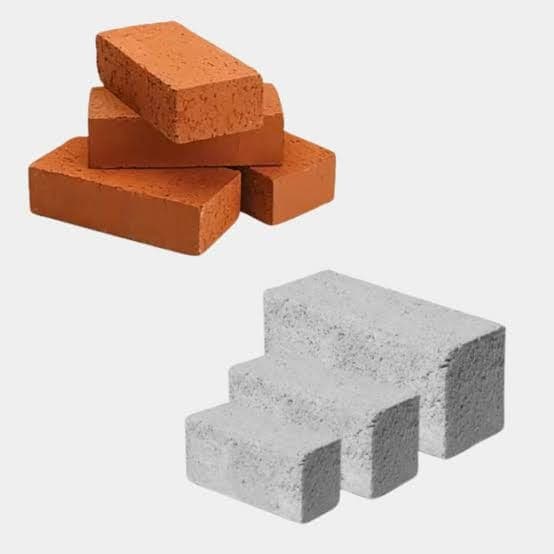
Bricks are obtained by moulding clay in rectangular blocks of uniform size and then by drying and burning these blocks. As bricks are of uniform size, they can be properly arranged, and as they are light in weight, no lifting equipment is needed. Concrete blocks offer a modern alternative with consistent quality.

Types

  • Clay Bricks — Traditional kiln-burnt bricks with copper color
  • Fly Ash Bricks — Lightweight with good thermal insulation
  • AAC Blocks — Autoclaved Aerated Concrete for modern construction
  • Hollow Concrete Blocks — Reduced weight with structural strength

Qualities of Good Bricks & Concrete Blocks

  • Well-burnt, copper-colored, free from cracks with sharp edges
  • Uniform in shape and standard size
  • Clear metallic ringing sound when struck together
  • Water absorption not more than 20% by weight when soaked for 24 hours
  • Sufficiently hard — no impression from fingernail scratching
  • Should not break when dropped from 1 meter onto hard ground
  • Low thermal conductivity and sound-proof qualities
  • Minimum crushing strength of 3.5 N/mm²
05

Wood & Timber

Wood & Timber

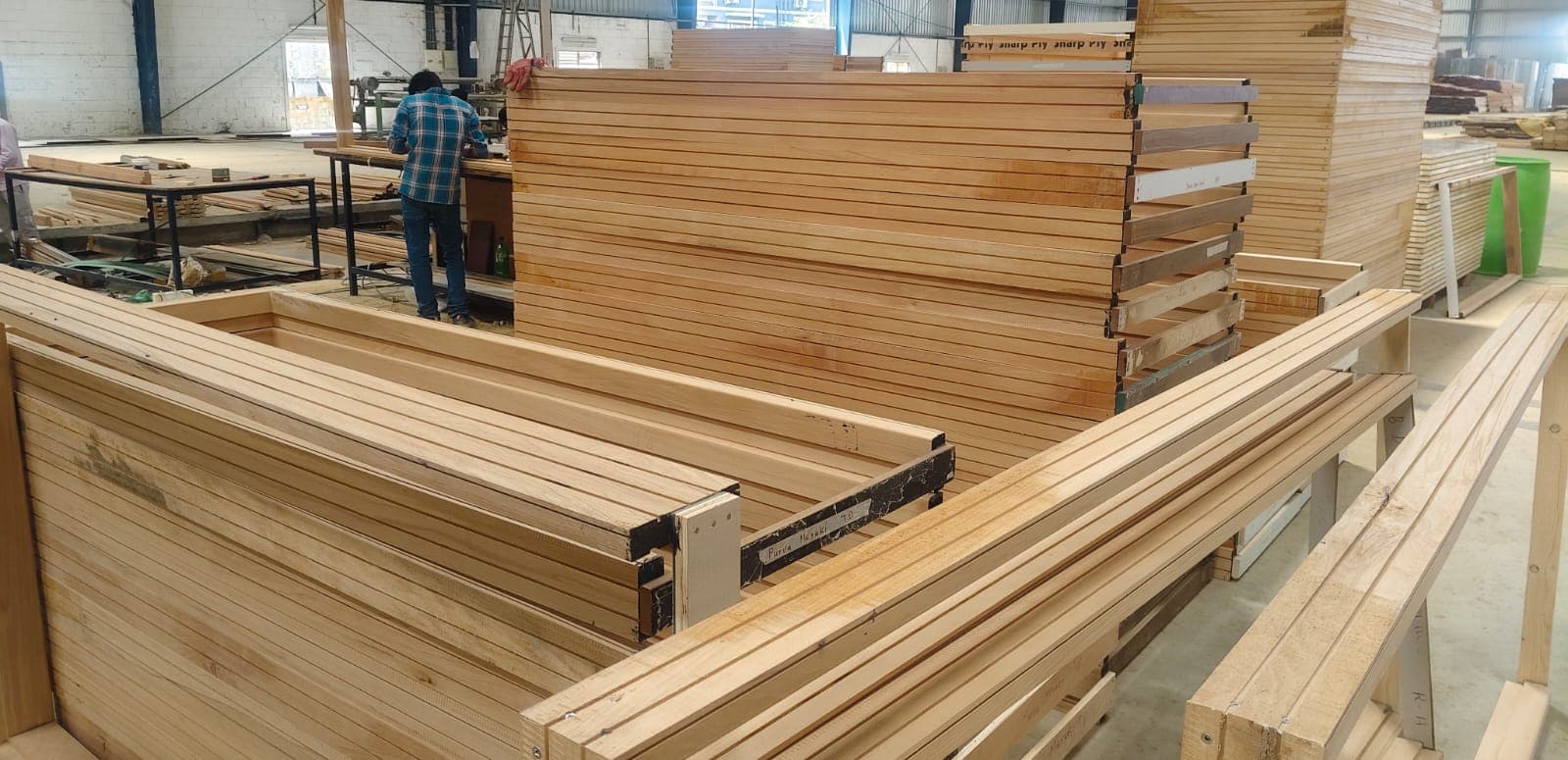
Wood is a versatile natural material that adds warmth and aesthetic appeal to a building. Used extensively in construction, it offers excellent workability and can be shaped for a variety of structural and decorative purposes.

Uses & Applications

  • Framing structural elements and formwork
  • Flooring installation — hardwood and engineered wood
  • Doors and window frames
  • Furniture and interior design elements
  • Roof trusses and supports
06

Sand & Aggregates

Sand & Aggregates

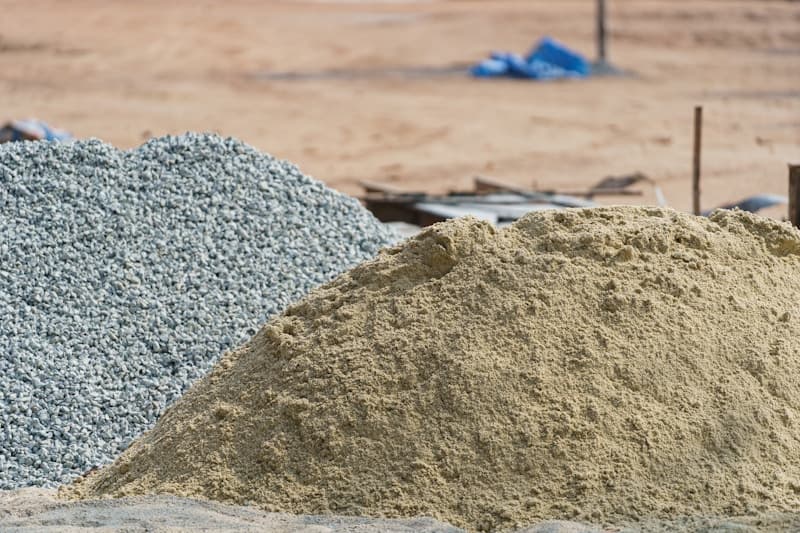
Sand and aggregates are key construction resources used to make concrete, mortar, and a variety of other applications. Aggregates make up about 60-75% of concrete volume, providing bulk, strength, and stability to the structure. Choosing the right type is critical for structural integrity.

Types

  • River Sand — Smooth, rounded, fine grains; preferred for plastering and concrete
  • Pit Sand — Angular grains, coarser texture; commonly used in concrete production
  • M-Sand (Manufactured Sand) — Produced by crushing rocks; eco-friendly alternative
  • Gravel — Naturally weathered, smooth and rounded; used in concrete mixtures
  • Crushed Stone — Angular particles from quarry rock; provides better concrete bonding
  • Recycled Aggregates — From old concrete or masonry; eco-friendly for non-structural use
07

Glass

Glass

Glass is a transparent material employed in windows, doors, and facades. It provides aesthetic qualities while allowing natural light into buildings. Modern glass solutions also offer thermal insulation, UV protection, and enhanced security for residential and commercial structures.

Uses & Applications

  • Windows for transparency and natural light
  • Glass doors and entrances
  • Facade and curtain wall elements
  • Skylights and roof panels
  • Interior partitions and decorative features
08

Tiles

Tiles

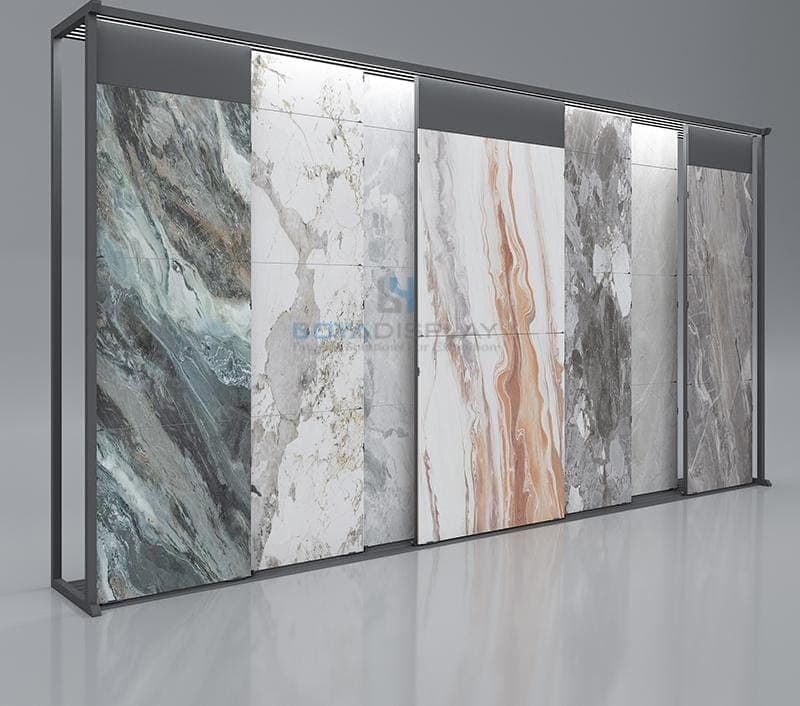
Tiles are durable finishing materials offering a wide range of design options for both residential and commercial spaces. Available in various materials, sizes, and finishes, they provide long-lasting protection and aesthetic appeal to floors, walls, and roofs.

Types

  • Ceramic Tiles — Affordable and versatile for walls and floors
  • Porcelain Tiles — Dense, water-resistant, ideal for high-traffic areas
  • Vitrified Tiles — Low porosity with glossy finish for modern interiors
  • Natural Stone Tiles — Granite, marble, and slate for premium finishes

Uses & Applications

  • Flooring surfaces for living areas and bedrooms
  • Wall coverings for bathrooms and kitchens
  • Outdoor paving and balcony flooring
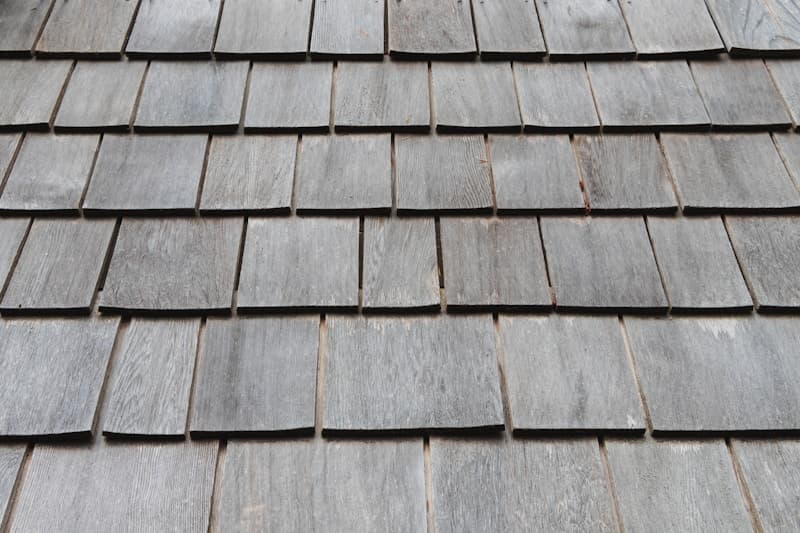
  • Roofing tiles for weather protection
09

Plumbing & Electrical Materials

Plumbing & Electrical Materials

Plumbing and electrical materials form the essential systems for water distribution and power supply throughout a structure. Quality materials in these systems ensure safety, reliability, and long-term performance of the building's internal infrastructure.

Types

  • CPVC Pipes — For hot and cold water supply lines
  • PVC Pipes — Drainage and sewage systems
  • GI Pipes — Galvanized iron for external water supply
  • CP Fittings — Chrome-plated taps, showers, and accessories
  • Electrical Wires & Cables — Copper conductors for power distribution
  • Switches & Sockets — Modular fittings for safe electrical connections
  • MCB & Distribution Boards — Circuit protection and load management
10

Roofing Materials

Roofing Materials

Roofing materials protect structures from weather, heat, and moisture. The right roofing choice ensures long-lasting protection while contributing to the building's thermal efficiency, structural integrity, and overall aesthetic appearance.

Types

  • Concrete Roof Tiles — Durable and weather-resistant for flat and sloped roofs
  • Clay Tiles — Traditional roofing with excellent thermal insulation
  • Metal Sheets — Lightweight galvanized or color-coated steel sheets
  • Shingles — Asphalt or fiber-based for modern residential roofing
  • Waterproofing Membranes — Protective layers to prevent moisture seepage

Conclusion

Every component is essential to the overall structural integrity and aesthetic appeal of the home. From the cement that binds the foundation to the roofing materials that protect from the elements, each material plays a vital role in creating a safe, functional, and aesthetically pleasing structure. Choosing the right quality materials is the first step towards building a home that stands the test of time.

Need Help Choosing the Right Materials?

Our experts can guide you on the best materials for your project and deliver them to your construction site.